
Solution-Focused Therapy

Solution-Focused Therapy

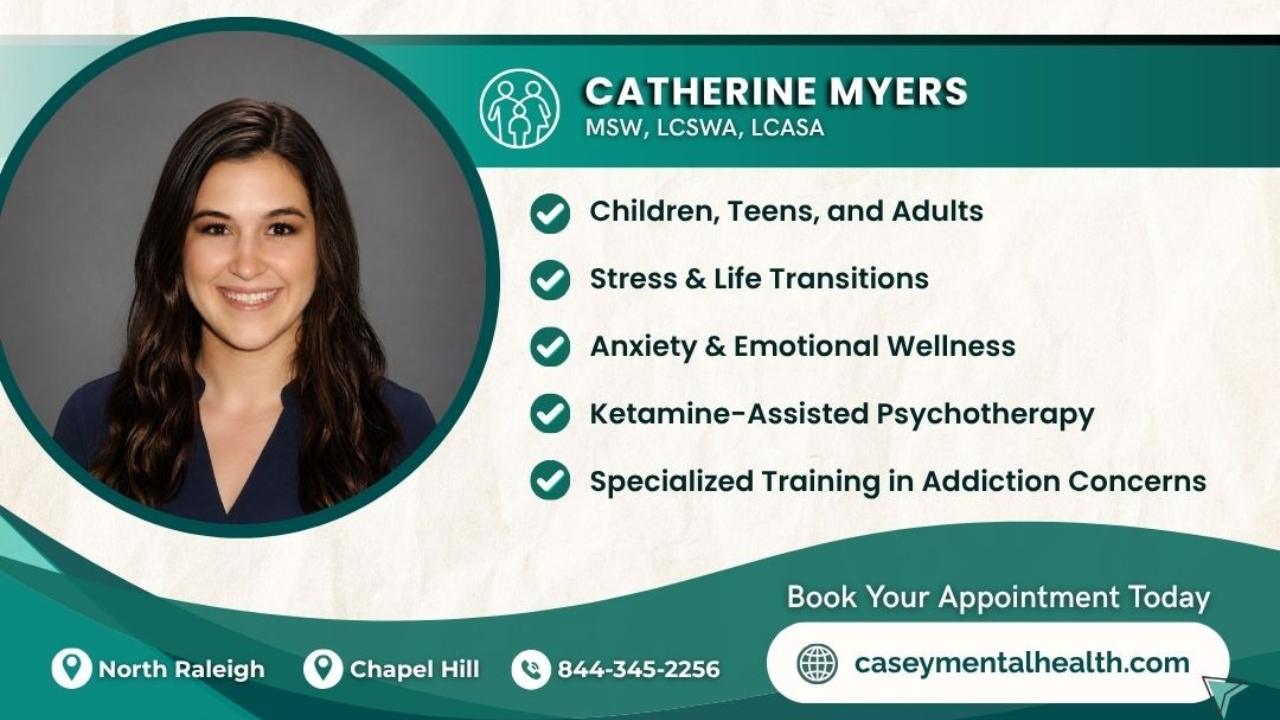
Co-authored by Dariusz Szajnert MSW, LCSW and Catherine Myers MSW, LCSWA, LCASA

What we like about Solution Focused Therapy (SFT)?

 “There is something amazing that happens in a session when a previously un-recognized or unearthed success is revealed. It’s a powerful moment to see someone in a session consciously become aware of an achievement they overlooked. That reminder of what they did, how they did it, and that they can do it again builds their confidence!”

–  Dariusz Szajnert
MSW, LCSW

“Solution-Focused Therapy is action-oriented and focused on moving forward. I enjoy collaborating with clients to create realistic, meaningful goals and celebrating the progress they've already made. Recognizing strengths and small successes often builds the confidence needed for lasting change.”

- Catherine Myers
MSW, LCSWA, LCASA


How did Solution Focused Therapy get started?

Solution-Focused Therapy is an evidence based therapeutic approach developed in the 1970’s and 1980’s by Insoo Kim Berg and Steve De Shazer. Insoo Kim Berg was a Korean born American therapist born in 1934 in Korea, moved to the USA in 1957, and became a therapist. Steve De Shazer grew up in Milwaukee in the 1940’s and 1950’s, was a therapist in California. They met as colleagues, researched together, became a couple, and later married. They moved to Milwaukee and co-founded the Brief Family Therapy Center and pioneered Solution-Focused Brief Therapy.

Solution-Focused Therapy (SFT) is a future oriented approach that emphasizes:

•  Identifying strengths
•  Building on past and existing
    successes
•  Creating practical solutions
   rather than becoming stuck in
   problems

By focusing on what is working, clients often feel more empowered to create meaningful change in their lives. SFT can be especially effective for individuals facing stress or major life transitions, as it highlights resilience and actionable steps forward. Rather than focusing on the origins of a problem, SFT encourages clients to recognize their existing resources and apply them to current challenges. The therapist is curious to learn more about the capabilities the client possesses and their abilities, rather than taking an all-knowing expert stance as a mental health professional. This collaborative approach helps foster a greater sense of control over one’s circumstances. 

Who can benefit
from SFT? 


Solutions Focused Therapy is beneficial as part of treatment for following in mental health:

• Depression
• Anxiety
• ADHD
• Autism
• Managing stress,
   including academic
   and work struggles
• Self-Esteem issues
• Interpersonal conflicts
   in relationships (including
   in families, and for couples)
• Life transitions
• Children/adolescent
   behavior issues
• Adolescents reluctant to discuss     emotions in depth
• Military personnel and veterans
• Addiction and Substance use

Who can benefit from solution-focused therapy for personal growth and positive change in Raleigh Chapel Hill North carolina

Wondering what’s the length of time for this Solution-Focused
Brief Therapy? 

For many after 4-8 sessions they may feel better and can continue changes started on their own.

Solution Focused Therapy can be used longer, beyond 8 sessions depending on the complexity of the challenges experienced, pace of progress, multifaceted issues being worked on (i.e. dual diagnosis, comorbid disorder), or evolving/more broad goals.

MASTERING PARENTING: Mastering Digital Wellness – by Gatlin, MSW, LCSWA

Gatlin

Gatlin MSW, LCSWA on the Impact of Smartphones

HOW IS YOUR PHONE CHANGING YOU?

In his clinical work and community advocacy, Gatlin, MSW, LCSWA, frequently explores how technology impacts mental and emotional well-being—particularly for youth and families. He recently shared the video “How Is Your Phone Changing You?” by AsapSCIENCE (linked below) as a springboard for reflection in his parenting support groups. While did not create this video, it provides a compelling overview of the physical, emotional, and behavioral effects of excessive smartphone use. Below is a summary of key points from the video, along with professional reflections and recommendations.

Watch the video on YouTube

SMARTPHONE USAGE & MENTAL HEALTH

        • Over 6 billion people own smartphones—more than have access to working toilets.
        • The average person spends 4.7 hours a day on their phone.
        • Constant downward posture while looking at screens can add extreme stress to the neck and spine.


ADDICTION & COGNITIVE IMPACTS

          • Smartphones can trigger dopamine loops similar to addictive substances like nicotine or cocaine.
          • “Nomophobia”—the fear of being without your phone—is widespread, especially among young adults.
          • Phone signals can alter brain activity, amplifying alpha waves and affecting attention and relaxation.


SLEEP & PHYSICAL HEALTH

            • Blue light disrupts melatonin, making it harder to sleep and contributing to fatigue and weight gain.
            • Increased screen use is associated with rising rates of vision problems, especially in children and teens.


COMMUNITY CONTEXT

              • For many underserved individuals, phones are vital tools for accessing banking, healthcare, and employment. About 7% of people rely on their phone as their only form of internet access.


REFLECTIONS

              • emphasizes the importance of acknowledging these impacts in both personal and family life. He encourages:

                • Self-awareness around tech use and its influence on sleep, mood, attention, and family connection.
                • Intentional phone breaks, such as device-free dinners, phone-free evenings, or full weekend detoxes.
                • Modeling healthy behavior, especially for parents working to set boundaries for children.
                • Replacing screen time with activities that nourish connection and reduce stress—like reading, walking, or conversation.


TIPS FOR HEALTHIER PHONE HABITS

                  1. Track your screen time and notice which apps consume the most energy.
                  2. Create no-phone zones (e.g., bedrooms, mealtimes).
                  3. Use “Do Not Disturb” mode to manage alerts and reduce overstimulation.
                  4. Start small with device-free windows (just one hour a day can help).
                  5. Engage in offline activities that build joy and resilience.


FINAL THOUGHTS

                  • shares this video not as a warning, but as an invitation: to pause and evaluate your relationship with your device. He integrates these lessons into his work with parents, caregivers, and teens—particularly through his 10-week Parenting Support Group, which includes a module on technology and screen time boundaries.

By fostering mindfulness around smartphone use, families can reduce stress, improve communication, and reclaim time for what matters most.

MASTERING PARENTING: Understanding Your Parenting Style – by Gatlin, MSW, LCSWA

MASTERING PARENTING:

STRENGTHENING SKILLS AND FAMILY BONDS

Parenting is both an art and a science. It requires patience, adaptability, and a deep understanding of your child’s unique needs. While there is no one-size-fits-all approach, there are proven strategies that can help parents strengthen their skills and create a healthier family dynamic. Whether you’re a new parent or navigating the complexities of raising older children, refining your parenting techniques can lead to a more fulfilling and harmonious household.

UNDERSTANDING YOUR PARENTING STYLE

Every parent has a unique style shaped by their upbringing, culture, and personal beliefs. Identifying your parenting style can help you understand your strengths and areas for growth.

The four main parenting styles include:

  • Authoritative – High expectations balanced with warmth and responsiveness. Encourages independence while setting clear boundaries.
  • Authoritarian – High expectations but with rigid rules and little flexibility. Focuses on obedience rather than mutual understanding.
  • Permissive – Highly responsive but with minimal expectations and discipline. Allows children to make their own decisions without much guidance.
  • Hands-Off – Low responsiveness and low expectations, often leading to a lack of structure and emotional support.

Self-reflection on your parenting approach allows you to make adjustments that better align with your child’s needs.

KEY SKILLS TO STRENGTHEN YOUR PARENTING

Effective Communication
Open and honest communication fosters trust and connection with your child. Active listening, validating their feelings, and encouraging them to express themselves in a safe environment help build emotional resilience.

Setting Healthy Boundaries
Children thrive in environments with clear, consistent boundaries. Boundaries help establish expectations, provide structure, and teach self-discipline. The key is to enforce rules with kindness and consistency rather than punishment.

Parental Stressors
Regulating a range of parental frustrations, emotions, and triggers is essential to maintaining a positive environment for both the child and the family unit.

Emotional Regulation and Parental Self-Care
Children learn emotional regulation by observing their caregivers. Managing stress, staying patient, and practicing self-care are essential in modeling healthy emotional responses. Taking care of yourself enables you to be more present and responsive as a parent.

Conflict Resolution and Problem-Solving
Disagreements are inevitable in any family. Teaching children how to navigate conflicts through respectful dialogue, compromise, and problem-solving strategies equips them with essential life skills.

Encouraging Independence and Resilience
Allowing children to take age-appropriate responsibilities fosters independence and confidence. Encouraging resilience through a growth mindset—teaching them that failures are opportunities to learn—builds emotional strength.

STRENGTHENING THE FAMILY DYNAMIC

Beyond individual parenting skills, fostering a strong family dynamic enhances connection and unity. Consider implementing these strategies:

  • Quality Time – Engage in regular family activities without distractions, such as game nights, outdoor adventures, or family meals.
  • Family Meetings – Create a space for open discussions, allowing every family member to voice concerns, set goals, and celebrate achievements.
  • Shared Responsibilities – Assign age-appropriate tasks to promote teamwork and accountability within the household.
  • Healthy Co-Parenting Relationships – Strengthen co-parenting styles that eliminate stress and promote family values.
  • Traditions and Rituals – Establish meaningful traditions that create lasting memories and a sense of belonging.

FINAL THOUGHTS

Parenting is a continuous learning process. As you sharpen your skills and adapt to your child’s evolving needs, you’ll cultivate a positive and supportive family environment.

By focusing on effective communication, emotional regulation, boundary-setting, and fostering resilience, you can create a family dynamic that nurtures connection, trust, and growth.

If you’re looking for additional support, consider joining our Parenting Support Group (the next cohort begins in late summer 2025), where we explore practical strategies and share real-life experiences to build stronger families together.
