Solution-Focused Therapy

Solution-Focused Therapy

Co-authored by Dariusz Szajnert MSW, LCSW and Catherine Myers MSW, LCSWA, LCASA

What we like about Solution Focused Therapy (SFT)?

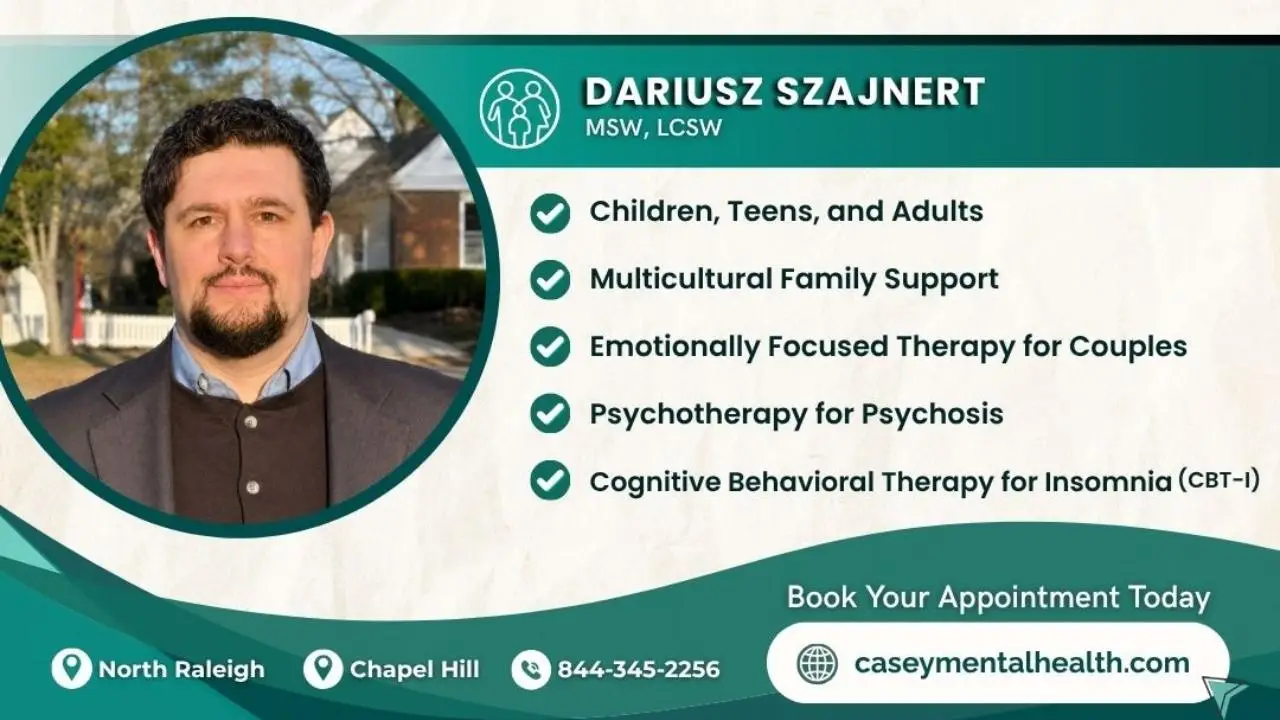
 “There is something amazing that happens in a session when a previously un-recognized or unearthed success is revealed. It’s a powerful moment to see someone in a session consciously become aware of an achievement they overlooked. That reminder of what they did, how they did it, and that they can do it again builds their confidence!”

–  Dariusz Szajnert
MSW, LCSW

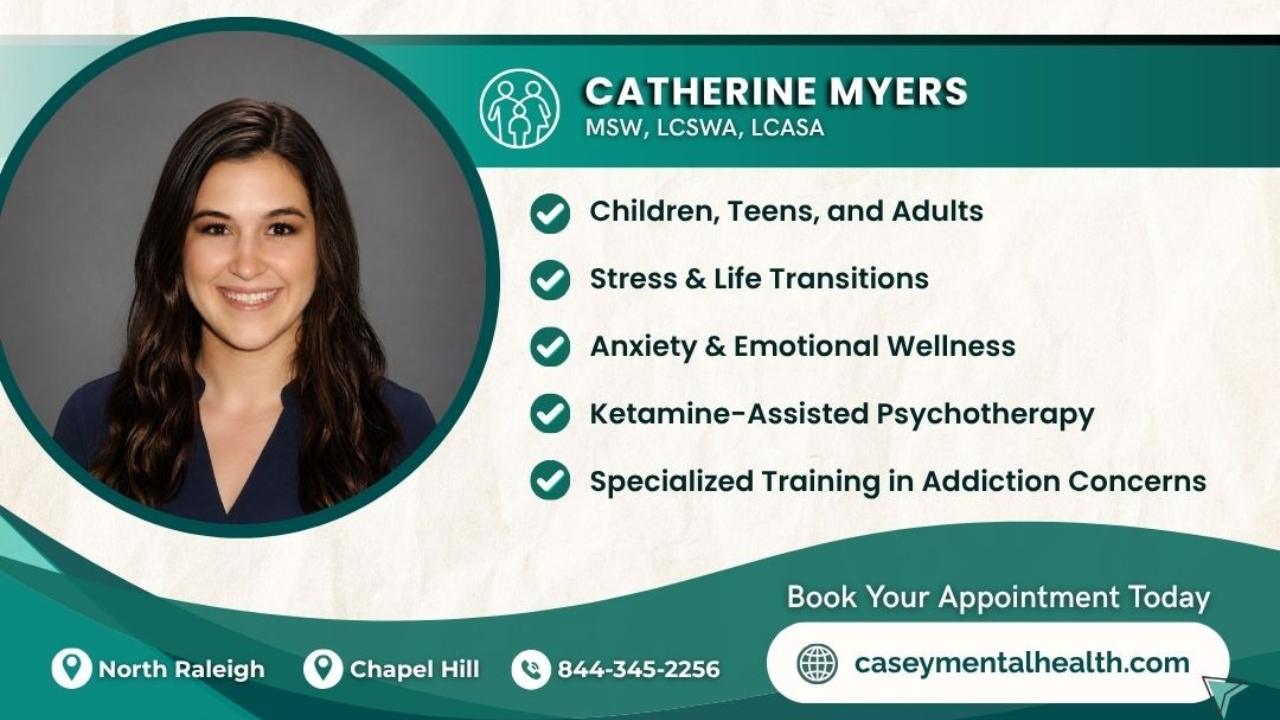
“Solution-Focused Therapy is action-oriented and focused on moving forward. I enjoy collaborating with clients to create realistic, meaningful goals and celebrating the progress they've already made. Recognizing strengths and small successes often builds the confidence needed for lasting change.”

- Catherine Myers
MSW, LCSWA, LCASA


How did Solution Focused Therapy get started?

Solution-Focused Therapy is an evidence based therapeutic approach developed in the 1970’s and 1980’s by Insoo Kim Berg and Steve De Shazer. Insoo Kim Berg was a Korean born American therapist born in 1934 in Korea, moved to the USA in 1957, and became a therapist. Steve De Shazer grew up in Milwaukee in the 1940’s and 1950’s, was a therapist in California. They met as colleagues, researched together, became a couple, and later married. They moved to Milwaukee and co-founded the Brief Family Therapy Center and pioneered Solution-Focused Brief Therapy.

Solution-Focused Therapy (SFT) is a future oriented approach that emphasizes:

•  Identifying strengths
•  Building on past and existing
    successes
•  Creating practical solutions
   rather than becoming stuck in
   problems

By focusing on what is working, clients often feel more empowered to create meaningful change in their lives. SFT can be especially effective for individuals facing stress or major life transitions, as it highlights resilience and actionable steps forward. Rather than focusing on the origins of a problem, SFT encourages clients to recognize their existing resources and apply them to current challenges. The therapist is curious to learn more about the capabilities the client possesses and their abilities, rather than taking an all-knowing expert stance as a mental health professional. This collaborative approach helps foster a greater sense of control over one’s circumstances. 

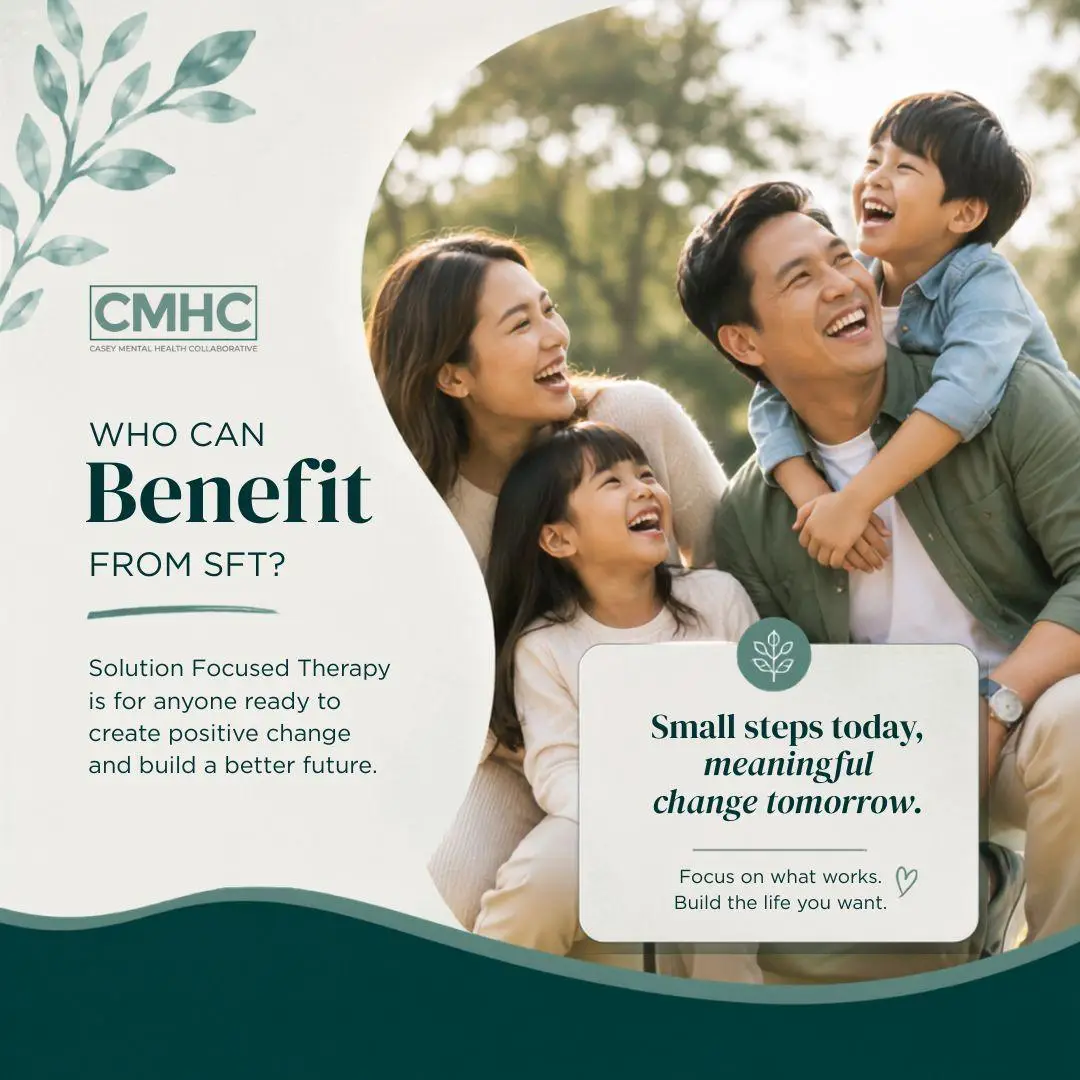
Who can benefit
from SFT? 


Solutions Focused Therapy is beneficial as part of treatment for following in mental health:

• Depression
• Anxiety
• ADHD
• Autism
• Managing stress,
   including academic
   and work struggles
• Self-Esteem issues
• Interpersonal conflicts
   in relationships (including
   in families, and for couples)
• Life transitions
• Children/adolescent
   behavior issues
• Adolescents reluctant to discuss     emotions in depth
• Military personnel and veterans
• Addiction and Substance use
Who can benefit from solution-focused therapy for personal growth and positive change in Raleigh Chapel Hill North carolina

Wondering what’s the length of time for this Solution-Focused
Brief Therapy? 

For many after 4-8 sessions they may feel better and can continue changes started on their own.

Solution Focused Therapy can be used longer, beyond 8 sessions depending on the complexity of the challenges experienced, pace of progress, multifaceted issues being worked on (i.e. dual diagnosis, comorbid disorder), or evolving/more broad goals.
Understanding Healthcare Costs and Insurance

Can we CURE DEPRESSION in ONLY 5 DAYS? An Accelerated TMS Option that Works!

Introducing the SAINT Protocol: A Revolutionary TMS Treatment Option

​Transcranial Magnetic Stimulation (TMS) has long been a trusted treatment for depression, typically delivered over a six-week course of daily sessions. Now, thanks to groundbreaking research from Stanford, a new, accelerated approach—the SAINT (Stanford Accelerated Intelligent Neuromodulation Technique) protocol—is emerging as a promising alternative for patients seeking rapid relief.

What Is the SAINT Protocol?

Unlike conventional TMS, which generally involves one 20-minute session per day for six weeks, the SAINT protocol compresses the treatment into a single week. Patients receive 10 sessions a day—each lasting about 10 minutes—over five consecutive days, with brief breaks in between. This approach is designed to deliver a full course of treatment (50 sessions in total) in a fraction of the time.
​
The SAINT protocol employs intermittent theta burst stimulation (iTBS) and in research settings leverages advanced brain-imaging techniques—such as resting functional connectivity MRI—to precisely target the dorsolateral prefrontal cortex (DLPFC), the key region associated with mood regulation. This precision targeting may enhance the treatment’s overall effectiveness and speed of response.

The Benefits of Accelerated TMS

Recent studies have highlighted the remarkable potential of the SAINT protocol and accelerated TMS in general:

  • Rapid Response: In one study involving patients who had not responded to conventional TMS, nearly 90% experienced remission of depressive symptoms within just 3-5 days. Another study reported that 79% of TMS-naïve patients achieved remission quickly, with a significant proportion maintaining improvements at follow-up.
  • Efficiency: By condensing the treatment schedule into one week, the SAINT protocol provides a viable option for individuals who are unable to commit to several weeks of daily appointments.
  • Safety and Tolerability: As with traditional TMS, the SAINT protocol is generally well tolerated. Reported side effects include mild fatigue and some discomfort at the stimulation site or in the facial muscles during treatment. Importantly, no negative cognitive side effects have been observed—in fact, some patients even showed improved mental flexibility.

What Does This Mean for You?

The SAINT protocol (called Accelerated TMS when performed without functional connectivity MRI guidance) represents a significant evolution in neuromodulation therapy for depression. Its rapid antidepressant effects offer new hope, particularly for those who need quick symptom relief or have found little success with conventional treatments. While further research is ongoing to assess long-term durability, early results are very promising.
​
In September 2022, the FDA cleared the SAINT Neuromodulation System for the treatment of depression, underscoring its potential as a safe and effective option for patients. Although the official protocol requires specialized neuronavigation via functional MRI, many of its key components—such as high-frequency iTBS dosing and a dense treatment schedule—can be implemented using standard brain mapping techniques.

Read more about the SAINT protocol here:

  • ​SAINT Protocol Study – April 2020: “Accelerated TMS for Treatment-Resistant Depression: The SAINT Protocol.” Published in the American Journal of Psychiatry. Access the study at: American Journal of Psychiatry
  • SAINT Protocol Follow-Up Study – October 2021:
    “Rapid Remission in TMS-Naïve Patients Using the SAINT Protocol.” Published in the American Journal of Psychiatry. Read more at: American Journal of Psychiatry

Now Available at Casey Mental Health Collaborative!

We are excited to announce that Casey Mental Health Collaborative will offer an accelerated TMS protocol (40-50 targeted iTBS treatments over 5 days time) as part of our TMS treatment options. Our team is dedicated to bringing innovative and effective therapies to our patients, and we are here to help you explore whether this accelerated treatment could be right for you.  This intensive treatment requires an Evaluation visit with Dr. Casey, and must be requested and scheduled especially for you!
​
If you are interested in learning more about this accelerated TMS protocol or scheduling an evaluation, please click here to complete a screening questionnaire on depression severity (we will contact you back!) or call our office today at 844-345-2256.Let us help you take a bold step toward a brighter, depression-free future!